
Why Training people doesn't Build AI Capability
People, Culture and Sustained Enablement is the lowest-scoring pillar in the entire AI Maturity Index research baseline, at 13%. Lower than strategy....
2 min read
Chris Fell
Updated on October 12, 2023
In today's business world, selling has become more challenging than ever. Buyers are harder to reach, sales performance is down, and buyers' budgets are stagnant. Sales leaders are struggling to meet their goals.
The root of the problem? A lack of productivity. In the past, the solution was to throw more sales reps at the issue and push for more and more activity. However, the best-performing sales teams have shifted their focus towards creating better customer connections through relevance, intelligence, and personalised experiences for prospects.
The old approach of hiring more reps and increasing activity levels has been disrupted by what HubSpot calls the "crisis of disconnection." It's a situation where a tsunami of unfocused activity and headcount constraints driven by economic slowdown has left sales teams struggling to meet their numbers.
The better way forward is to concentrate on making reps more effective in their interactions and implementing best practices with regard to their productivity.
Modern software tools have emerged as a lifeline for sales teams looking to prospect smarter, accelerate revenue growth, and scale insightfully. These tools seamlessly connect your reps to data, enabling them to provide relevant and personalised experiences for prospects. When investigating sales software, keep an eye out for the following "must-have" features:
Smarter Prospecting:Subscribe to our latest news and updates on HubSpot.
People, Culture and Sustained Enablement is the lowest-scoring pillar in the entire AI Maturity Index research baseline, at 13%. Lower than strategy....

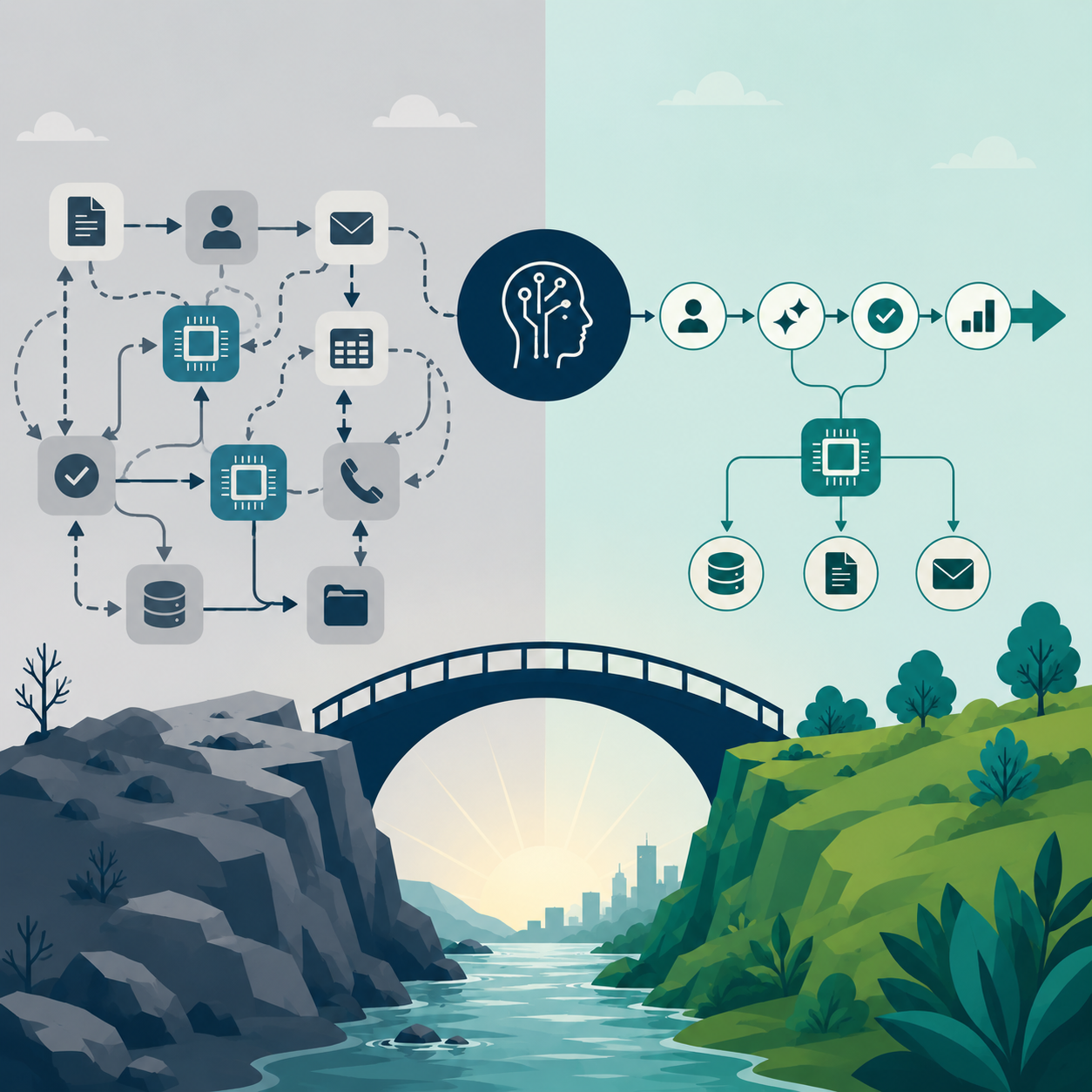
Process Redesign is the second-lowest scoring pillar in the AI Maturity Index research baseline, at 17%. Only people and culture scores lower. And...
Technology Architecture is the highest-scoring pillar in the AI Maturity Index research baseline, at 27%. On the surface, that sounds like good news...