
Why Training people doesn't Build AI Capability
People, Culture and Sustained Enablement is the lowest-scoring pillar in the entire AI Maturity Index research baseline, at 13%. Lower than strategy....
1 min read
Chris Fell
Updated on June 12, 2014

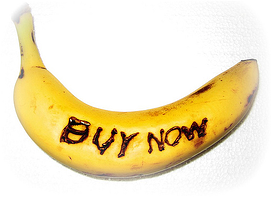
Take five minutes to think about your ideal customer or prospect and design an offer that appeals to that person. Remember at all times to talk in the language of the buyer and typically about how your call to action will help solve a problem they are encountering.
If you have a couple of different calls to action, pick the one that’s getting the highest conversion rate. If you’re starting from scratch, create two calls to action and do an A/B test to see which one is more successful.
Revamp boring calls to action by asking a compelling question or by posing your offer as a challenge.
Your viewers shouldn’t have to scroll down to see your offer. A safe bet is the top-right corner of the page.
Don’t let it blend into the page, use different colors and fonts to make sure your call to action is very visible.
Make it REALLY obvious where the user is supposed to click by creating the outline of a button/image.
Consider including an image of what the visitor will get when he or she follows through with your action.
Make sure your call to action or “what you are asking your visitor to do” is clear and obvious. Have a colleague (or better yet, someone outside the company) review the text before you’re done.
If you have more than one call to action on the page, be clear about which offer your want to prioritize by having a clear hierarchy. The most relevant offer should be featured first and a secondary offer should be further down the page.
Make sure there is a clear (and compelling) call to action appearing on the top of all highly-trafficked pages.
Once you’ve completed these steps, make sure to test, test, test! Then analyze the results to see what worked and what didn’t.
What things do you think about when you create your CTAs?
Subscribe to our latest news and updates on HubSpot.
People, Culture and Sustained Enablement is the lowest-scoring pillar in the entire AI Maturity Index research baseline, at 13%. Lower than strategy....

Process Redesign is the second-lowest scoring pillar in the AI Maturity Index research baseline, at 17%. Only people and culture scores lower. And...
Technology Architecture is the highest-scoring pillar in the AI Maturity Index research baseline, at 27%. On the surface, that sounds like good news...